Building Crisis Playbooks
Fire insurance exists for buildings. Nothing exists for the creator whose brand burns down overnight.
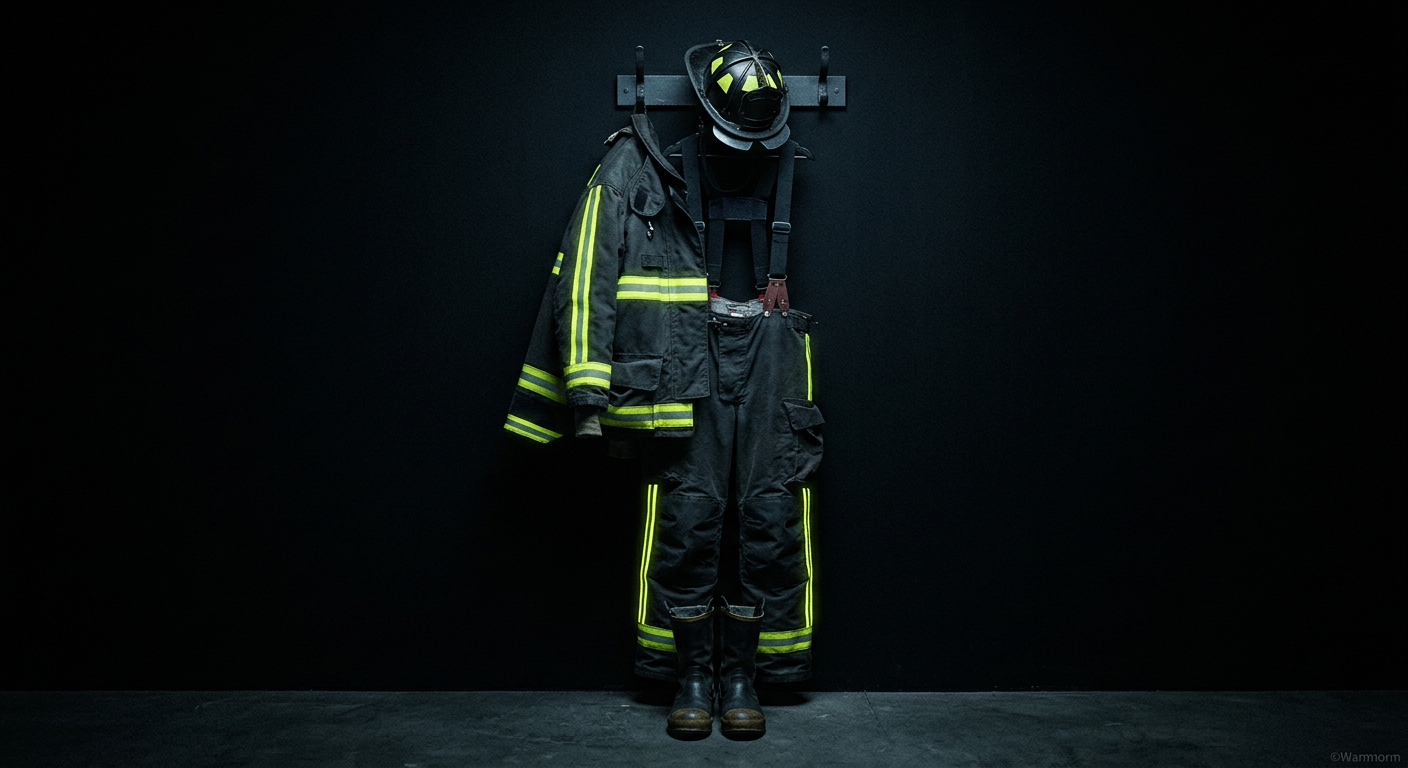
Your business has revenue, employees, and assets. It has zero coverage for a reputation crisis.
You insure your car. You insure your apartment. If you have employees, you carry workers' comp. But the single most valuable and most fragile asset in your business (your reputation) has no safety net at all.
Creator businesses are uniquely exposed to reputation risk because the brand IS the person. When a traditional company faces a scandal, the CEO can step back, the PR team can issue a statement, and the business continues under its own brand momentum.
When a creator faces a crisis, there's no separation between the person and the product. A false accusation, a misunderstood comment taken out of context, a disgruntled former employee going public, a coordinated harassment campaign. Any of these can collapse revenue overnight because every brand deal, every sponsorship, every partnership is tied to one person's public image.
The insurance industry hasn't built a clean product for this yet. Traditional media liability insurance covers defamation claims and copyright disputes, but it doesn't cover the revenue loss from a brand pulling a $200,000 campaign because of a trending hashtag. Errors and omissions (E&O) policies cover professional mistakes, but not reputational attacks. The gap between what insurance covers and what actually threatens your business is wide.
The practical solution, until the insurance market catches up, is building your own crisis infrastructure before you need it. A crisis playbook. A pre-vetted PR firm on retainer (or at least on speed dial). A legal team that understands internet-speed reputation attacks. An internal communication protocol so your team knows what to say and what not to say in the first 48 hours. The first 48 hours determine whether a crisis blows over or becomes permanent.
1. Crisis Playbook - Write a one-page document that answers: who makes public statements (only you, nobody else), what platforms get a response and what gets ignored, who is the first call (attorney, PR advisor, or trusted mentor), and what's the approval chain before anything goes live. Decide all of this while you're calm. You won't think clearly when it's happening.
2. PR Relationship - Identify a crisis communications firm or freelance PR strategist before you need one. Have a 30-minute introductory call so they understand your brand, your audience, and your vulnerabilities. When the fire starts, you don't want to be googling "crisis PR" while your mentions are melting down.
3. Financial Buffer - Set aside a specific reserve (three months of operating expenses is a reasonable floor) earmarked for crisis scenarios: legal fees, PR costs, revenue shortfall during a brand deal pause. This is your reputation insurance fund. It sits in a separate account and you don't touch it for anything else.
The crisis you prepare for is the one that doesn't destroy you. Nobody thinks they need this until they do, and by then the cost of not having it is already compounding. Build the playbook, make the calls, set aside the money. Then go back to creating and forget about it until the day it saves you.