Every Vendor Is Temporary
The companies behind your tools have runways, investors, and exits. Your workflow shouldn't share their fate.
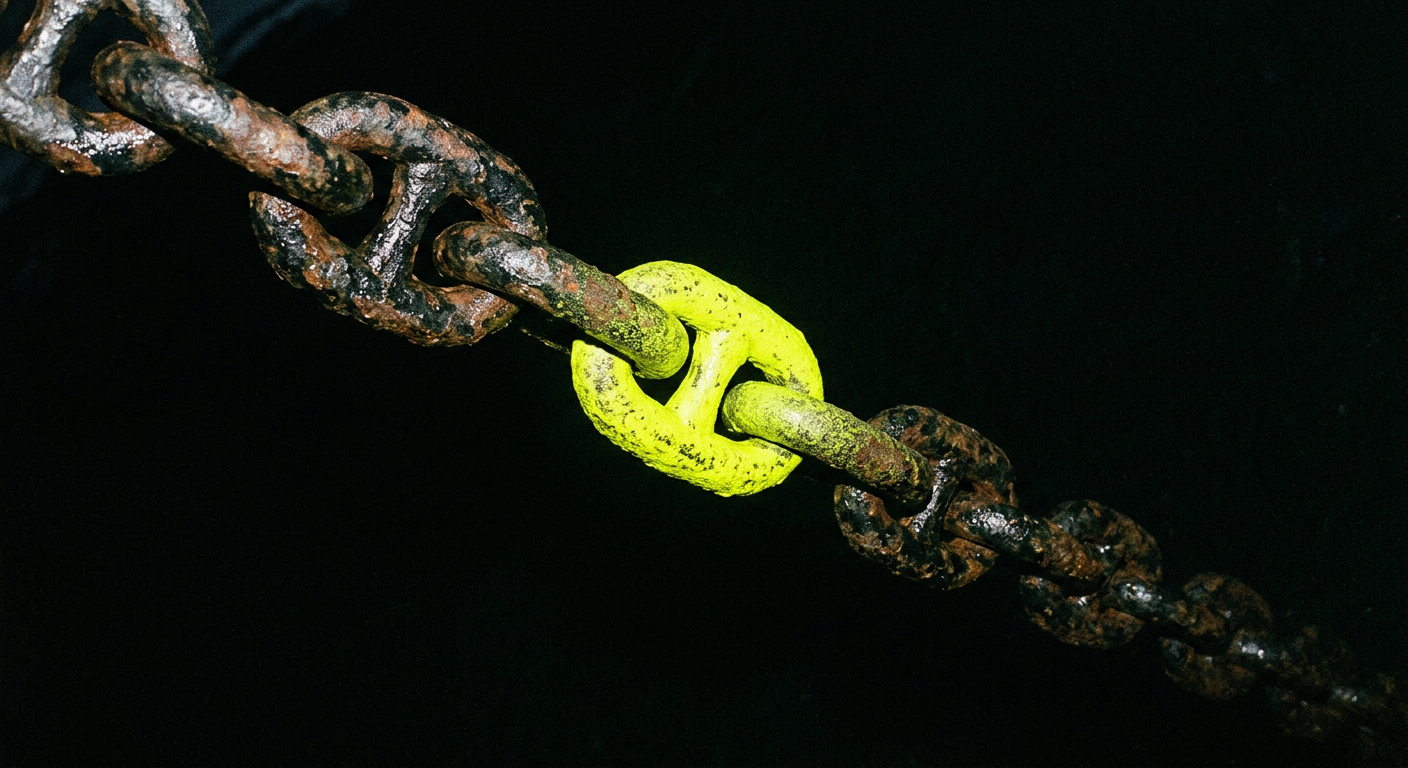
Somewhere in your tool stack is a startup with a short runway and your whole operation on its back.
You've had the small version of this scare. A tool goes down for a morning and half your workflow goes with it, and for an hour you remember exactly how much of your business runs on software you don't control. Then their status page turns green and you forget again.
Outages end. Shutdowns don't. Well-funded companies with years of history and millions of users wind down with thirty days' notice when the money stops, and the pattern repeats across the tools this industry runs on. The warning signs are rarely visible from inside the product. The product usually gets better right up until the end.
The risk isn't using startups. Startups build the best tools, and avoiding them means running your business on software from 2011. The risk is depending on one without an exit plan, because a migration you design calmly over a quarter costs a fraction of one you execute in a panic over a weekend.
1. Map the load-bearing tools - List every tool whose disappearance stops revenue or publishing within a week. Ignore the rest
2. Check the company, not the product - Profitable and boring beats funded and exciting for anything load-bearing. Know which one you're holding
3. Export on a schedule - A monthly export of your data from each critical tool turns a hostage situation into an inconvenience
4. Write the thirty-day note - One paragraph per critical tool: where you'd move, what breaks, who does it. Write it now, while it's hypothetical
Most of these notes will never get used, and that's the good outcome. The point was never to predict which vendor fails. The point is that when one does, you'll be the operation that migrates in a week and posts on schedule while everyone else refreshes a shutdown FAQ.