When Crisis Defines Your Brand
Crisis response isn't PR spin. It's operational infrastructure you build when things are calm.
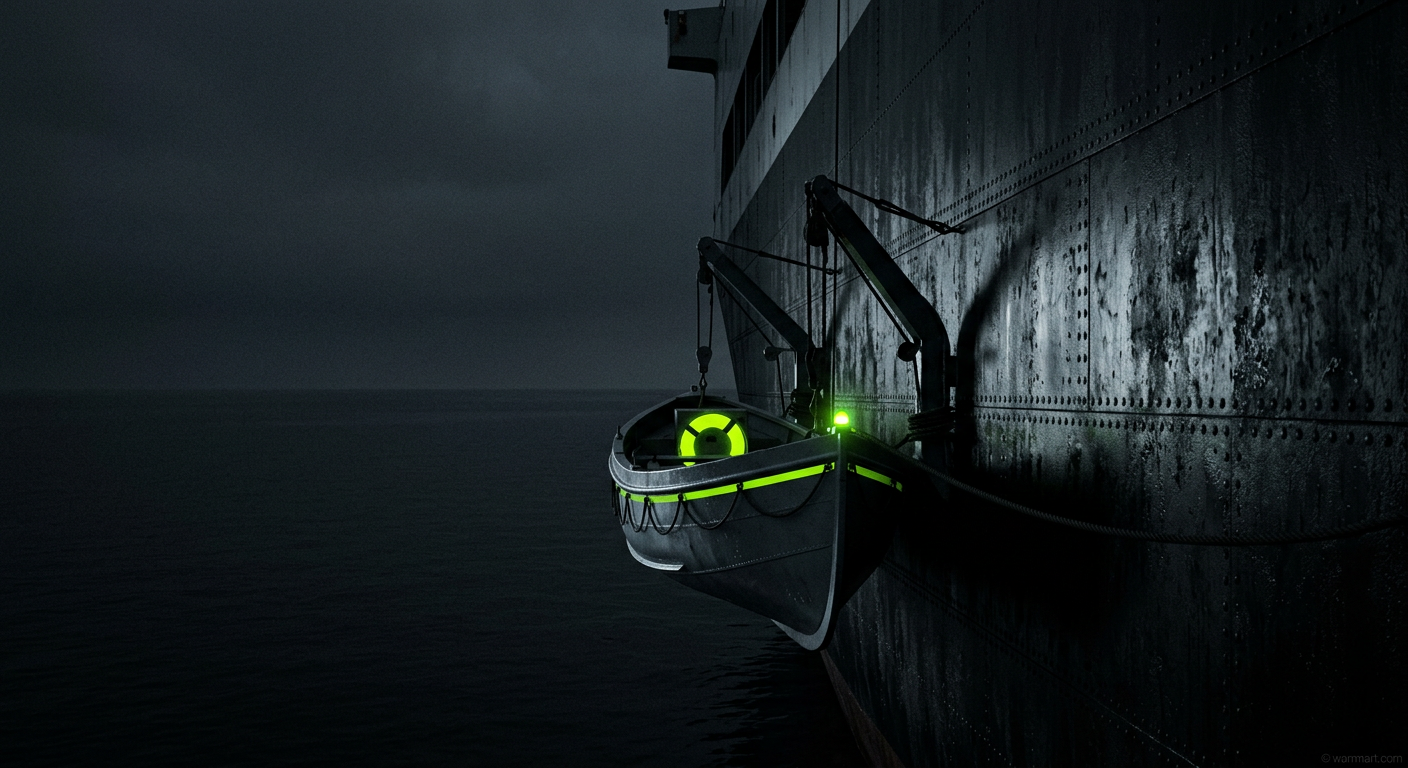
Every creator will face a public crisis. The ones who survive had a plan before it happened.
It hasn't happened to you yet. Or maybe it has, and it was small enough that you muscled through it with a Notes App apology and a week of silence. But at the revenue level you're operating at, with the audience size you have, the next crisis won't be small. And the response window is measured in hours, not days.
Crisis in the creator economy moves differently than in traditional business. There's no corporate communications department to draft a response. There's no legal team reviewing the statement before it goes live. There's no board to share the burden of the decision. It's you, your phone, and a comment section that's moving faster than you can read it.
The creators who survive public crises don't survive because they're better at thinking on their feet. They survive because they made decisions about how to respond before the crisis arrived. They know who speaks (only them, never a team member). They know what gets a response (direct accusations with factual claims) and what gets ignored (rage-bait, trolling, pile-ons from people who were never in their audience). They know who to call first (attorney, then advisor, then PR). And they know the one rule that saves more careers than any other: don't respond in the first two hours. Let the adrenaline pass. Let the attorney weigh in. Let the full picture emerge.
Most creators do the opposite. They see the fire, panic, post a defensive statement full of emotion and incomplete information, and spend the next week walking it back. The initial response becomes the story, and the original incident becomes a footnote. The cover-up is always worse than the crime, and in the creator economy, the "cover-up" is usually just a poorly timed, emotionally charged Instagram story posted at 1am.
Crisis preparation feels morbid when things are going well. It's like writing a will. Nobody wants to do it, and everyone wishes they had done it when the moment arrives.
1. Response Hierarchy - Decide now: who is the only person authorized to make a public statement on behalf of your brand? (The answer should be you.) Write this down and share it with your team. When a crisis hits, your editor, your assistant, and your community manager need to know that their job is to say nothing publicly and route everything to you.
2. Two-Hour Rule - Commit in advance: you will not make any public statement within two hours of learning about a crisis. Use that time to gather facts, call your attorney, and draft a response with input from someone who isn't emotionally involved. The two-hour buffer has saved more creators than any PR strategy.
3. Three-Call List - Write down three people you would call in a crisis, in order. An attorney who understands internet law and creator businesses. A PR advisor or trusted mentor who has been through a public crisis. And one person in your personal life who can keep you emotionally grounded while you make high-stakes decisions. Store these numbers somewhere you can find them when your hands are shaking.
The goal isn't to prevent crises. Some are unavoidable, and some are manufactured by people who want to see you stumble. The goal is to have a structure that lets you respond from clarity instead of panic. Build the plan while the sky is clear. It's the cheapest insurance you'll ever create, and the one you'll be most grateful for when the weather turns.