Your Content Has a Second Life You're Not Getting Paid For
You made that content once. It's making someone else money now. Build the plumbing to get paid twice.
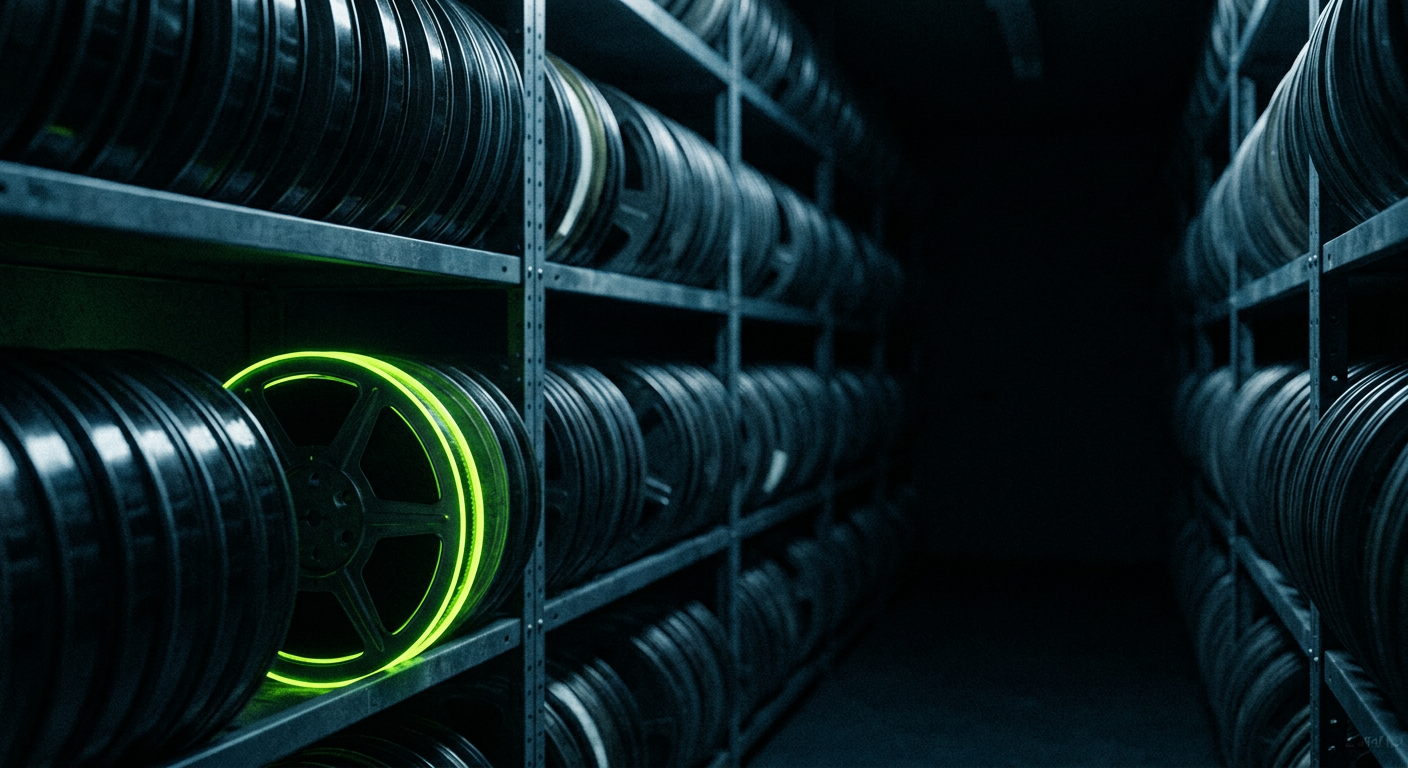
Somewhere right now, your old content is making someone else money.
Most creators think about content in two stages: create it and publish it. Maybe promote it. Then move on to the next one. But there's a third stage, and it's where some of the best money in media has always lived.
Licensing and syndication.
When a TV network produces a show, the first broadcast is just the beginning of its revenue life. That show gets licensed to streaming platforms, syndicated to international markets, clipped for compilations, and packaged into bundles for airlines and hotels. The content keeps earning long after the original air date. The economics of traditional media have always been built on this second and third life of content.
Creators have the same asset sitting in their archives and almost none of them are monetizing it. Your back catalog of videos, photos, and audio is licensable. Media companies, documentary producers, educational platforms, news outlets, and brand campaigns all need authentic, high-quality content. They'd rather license yours than produce their own from scratch, because yours has something manufactured content doesn't: real context, real audience validation, and real cultural weight.
The barrier isn't demand. It's structure. Most creators don't have their content organized in a way that makes it licensable. They don't have the metadata, the rights documentation, or the distribution relationships. They're sitting on a library with no catalog.
Licensing revenue is particularly powerful because it's passive after the initial setup. You did the work already. The content exists. Someone else wants to use it. You collect a fee. And unlike brand deals, licensing revenue doesn't require you to create anything new or post anything to your feed. Your archive works for you while you sleep.
1. Archive Inventory - Catalog your top 100 pieces of content by topic, format, and quality. Flag anything with clear re-use potential: evergreen tutorials, behind-the-scenes footage, cultural commentary, high-production visual content. This is your licensable library.
2. Rights Verification - For each licensable piece, confirm you own the full rights. Check for music licenses that restrict redistribution, brand deal exclusivity windows that may still be active, and any co-creator agreements that split ownership. You can't license what you don't fully own.
3. Distribution Channel - Explore licensing platforms (stock content marketplaces, media licensing agencies, direct outreach to production companies). Some creators work with a licensing agent who handles outbound sales for a 20-30% commission. Others list directly on platforms like Storyblocks or license through their management team.
4. Standard License Agreement - Have your attorney draft a template licensing agreement that specifies: usage scope (where and how the content can be used), duration (1 year, 3 years, perpetual), exclusivity (non-exclusive is almost always better for you), territory, and fee structure. Having this template ready means you can move fast when an opportunity comes in.
You've already done the hardest part. The content exists, and it's good. The licensing infrastructure is just the plumbing that lets your archive keep paying you back. Build it once, and your best work earns twice.