Your Home Is an Open Microphone
You spend thousands on cybersecurity and leave your front door on camera for 2 million strangers.
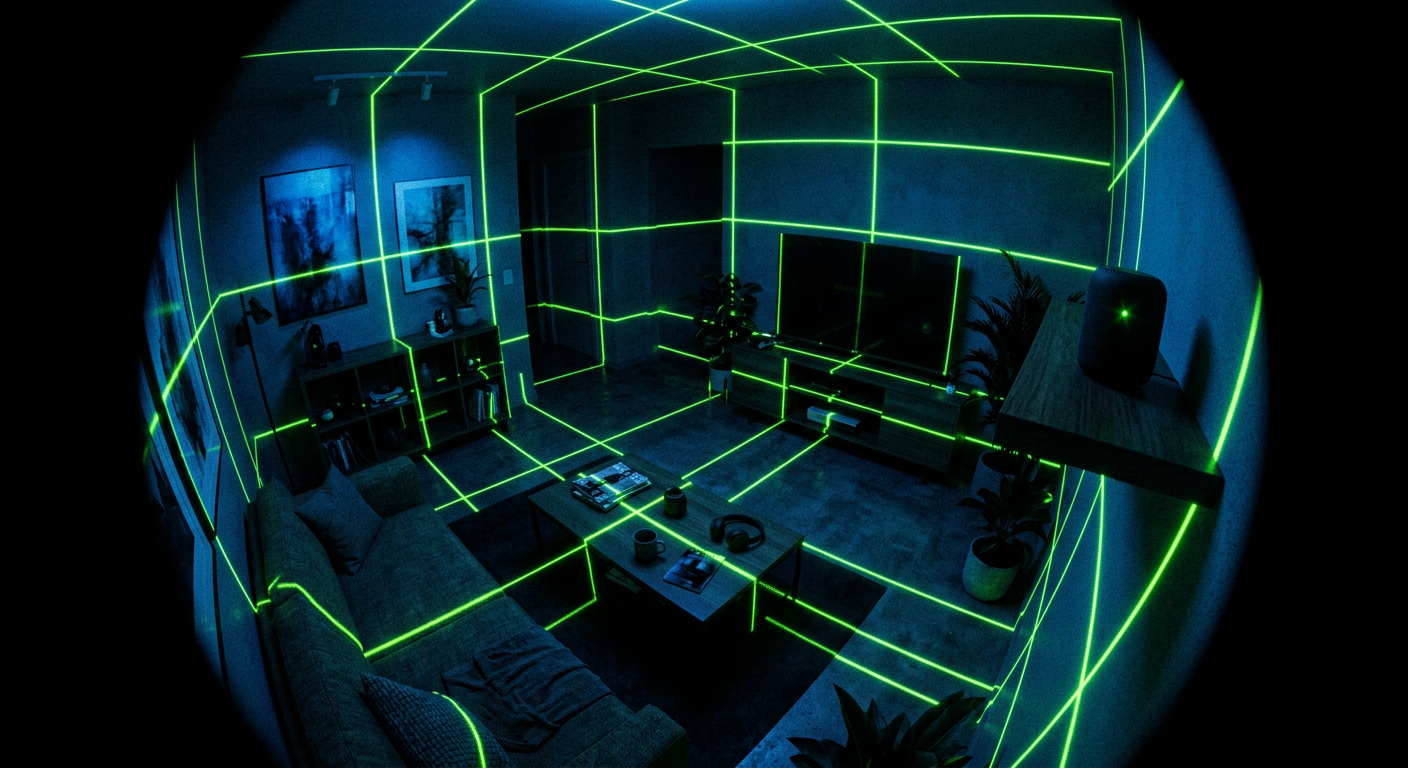
You spend thousands on cybersecurity and leave your front door on camera for 2 million strangers.
The physical security blind spot for creators is enormous. And it's hiding in plain sight, inside your own content.
Your home is simultaneously a production studio and a personal residence. But most creators only treat it as one of those things. Every day-in-my-life vlog, every studio setup tour, every casual Instagram story leaks operational intelligence. The layout of your house. The brand of your locks. The view from your kitchen window that narrows your location to a two-block radius. The school logo on your kid's backpack hanging by the door.
You would never post a screenshot of your bank login. But you are posting a live walkthrough of your physical perimeter every week, and the information is permanent. It sits in your archive, searchable forever. And the people who want to misuse it are not casual viewers.
The risks are specific and they are escalating. Doxxing (your home address published by bad actors). Swatting (false emergency calls to your address). Burglary timed to your travel content (you posted from Bali, so your house is empty). Stalking enabled by the ambient details you never thought twice about filming.
This is not paranoia. This is the same perimeter defense logic that any physical business applies to its headquarters. A retail store has cameras pointed outward, not inward. Your content does the opposite. It points the camera inward and broadcasts the feed to the public.
1. Broadcast audit - Rewatch your last 10 videos with a single question: what does this reveal about my physical location?
Flag: Exterior shots of your home, visible street names or landmarks, alarm panels, mailboxes, license plates, delivery labels, school logos, gym bags with location branding
Action: Edit or blur before republishing. For future shoots, build a "no-fly zone" list of angles you never film
2. B-roll buffer - Stop filming establishing shots of your building or neighborhood. Use generic stock b-roll for transitions. Your audience does not need to see your front door to enjoy your content.
3. Public records scrub - If your domain names, LLC or business entity are registered to your home address, switch to a registered agent or PO box immediately. In many jurisdictions, LLC filings are public record and searchable online. Your business address should never be your bedroom.
The content is the art. Your home is the vault. Stop letting one compromise the other.