New Disney: Rewriting the Creator Playbook
MrBeast and Mark Rober redraw Disney’s 1957 strategy. See their blueprint for building empires, not just views.
To understand the future of media, don’t look at Hollywood, look at YouTube. Check out the video:
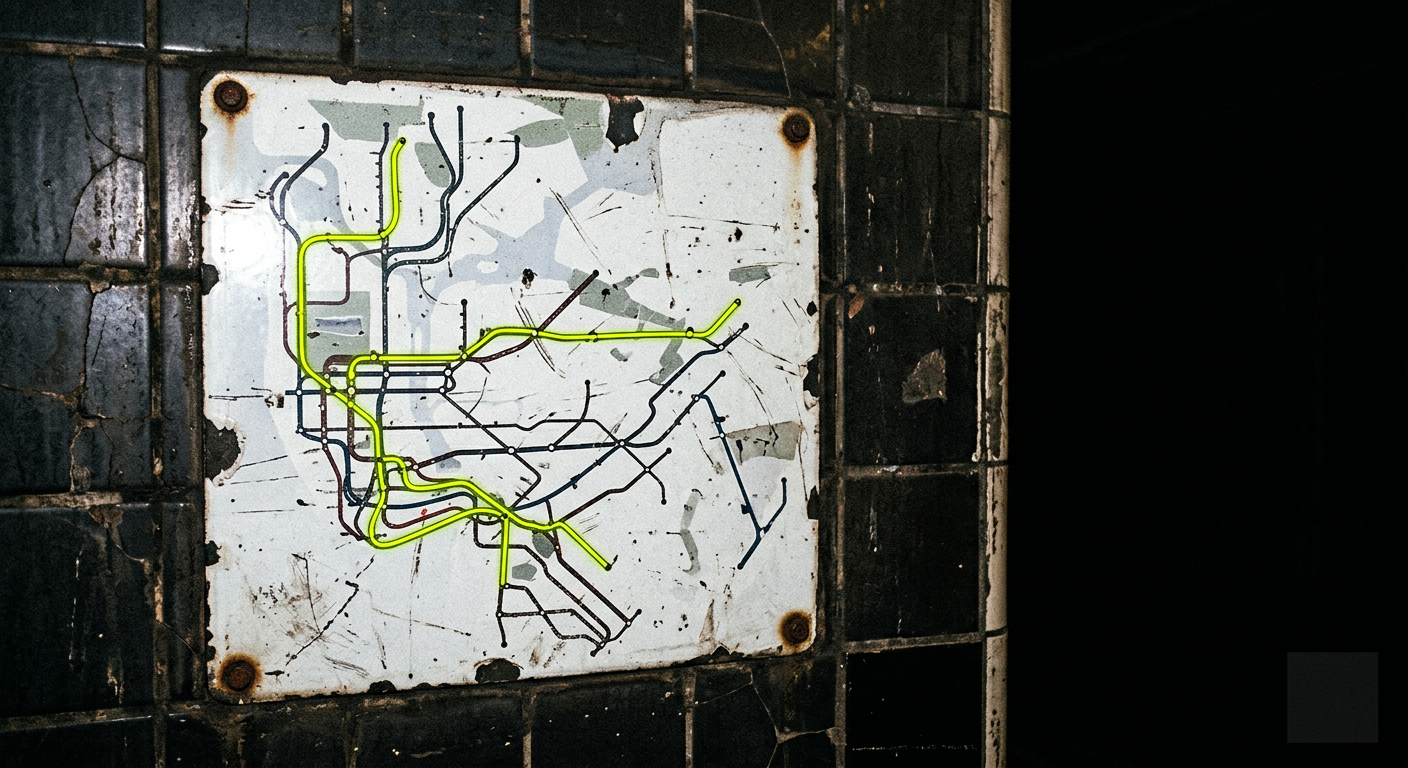
Jon Youshaei sits down with the two titans of the platform - MrBeast (Jimmy Donaldson) and Mark Rober - to break down their business empires. The framework for the conversation was Walt Disney’s famous 1957 corporate strategy map.
That map, a complex web connecting films to merchandise to theme parks, is the blueprint both creators are using to transcend digital status and build generational brands. They aren't copying Disney. They're modernizing the model for the digital age.
Here is the zoomed-out view of the New Creator Playbook these guys are pioneering.
1. The Ecosystem Over the Algorithm
For years, the goal for creators was simple: get views. Today, views are just the top of the funnel.
Both MrBeast and Rober have built ecosystems where content is the engine, but not the whole car.
MrBeast’s “Beastland”: Jimmy discussed a temporary theme park in Saudi Arabia, designed not for passive riding but for active competition - mirroring the high-stakes challenges of his videos.
The Content-Product Loop: It’s no longer about slapping a logo on a t-shirt. MrBeast’s Feastables isn't just a chocolate bar; it’s a vehicle for his philanthropic mission (ethically sourced cacao, fighting child labor, etc.) and a recurring prop in his videos.
Rober’s CrunchLabs: Mark Rober treats his subscription boxes as the physical manifestation of his channel. If you watch a video about building a glitter bomb, you want to build something yourself. CrunchLabs closes that loop.
The whole point is - don't just monetize your audience; operationalize them. Give them a way to participate in your world physically, not just digitally.
2. "Area Under the Curve": The Philosophy of Slow Growth
In a world obsessed with viral spikes, Mark Rober offered a contrarian philosophy: Maximize the area under the curve.
He revealed that pre-launch, he was offered $50 million cash to sell the rights to CrunchLabs. He turned it down. Why? Because a quick cash grab creates a spike that inevitably crashes. Slow, sustained growth creates a massive "area under the curve" (total value) over a lifetime.
Rober compares this to video game progression: "In Zelda, you start with a wooden sword and three hearts. You don't start with everything. You maximize the dopamine if you get incremental level-ups."
The lesson here is that ownership and longevity beat quick liquidity. Building something sustainable requires saying "no" to easy money to protect the long-term vision.
3. The Trojan Horse for Education and Philanthropy
Perhaps the most striking takeaway is how both creators use entertainment as a Trojan Horse for massive societal impact.
Beast’s Ethical Supply Chain: MrBeast uses his massive platform to shine a light on child labor in the chocolate industry, noting that without his entertainment channels, no one would care about the supply chain logistics of a candy bar.
Rober’s $55 Million Gamble: Mark dropped a bombshell that he is spending $55 million to develop a comprehensive, free science curriculum ("Class Crunch Labs") for 3rd to 8th graders. He calls it "the most important thing I'll do in my life." He realizes he can't teach kids if he doesn't have their attention - so he uses his viral engineering videos to "hide the vegetables" and get them addicted to learning.
Remember this - the most successful modern brands stand for something. The Creator Economy is evolving into the Impact Economy, where the scale of your audience is leveraged to solve actual problems.
4. Testing Grounds for Traditional Media
Both creators are effectively using YouTube as a cheaper, faster R&D lab for traditional media.
MrBeast admitted that he uses YouTube videos to test concepts for his massive Amazon streaming show, Beast Games. If a game works for $200k on YouTube, he has the confidence to spend $10 million on it for streaming.
Similarly, Mark Rober is launching a Netflix show and a retail toy line. The YouTube channel proves the demand, de-risking the massive investments required for traditional TV and retail.
The Bottom Line
MrBeast and Mark Rober aren't making videos anymore. They're building worlds.
They have moved from being entertainers to being infrastructure builders - creating the products, the educational tools, the analytics platforms (ViewStats), and the physical spaces where their audiences live.
Walt Disney drew a map in 1957 that defined the 20th century of entertainment. Now, Jimmy and Mark are drawing the map for the 21st.