What Do They Own If You Walk
Collectives, agencies, and holding companies keep asking creators for equity. One question prices the ask.
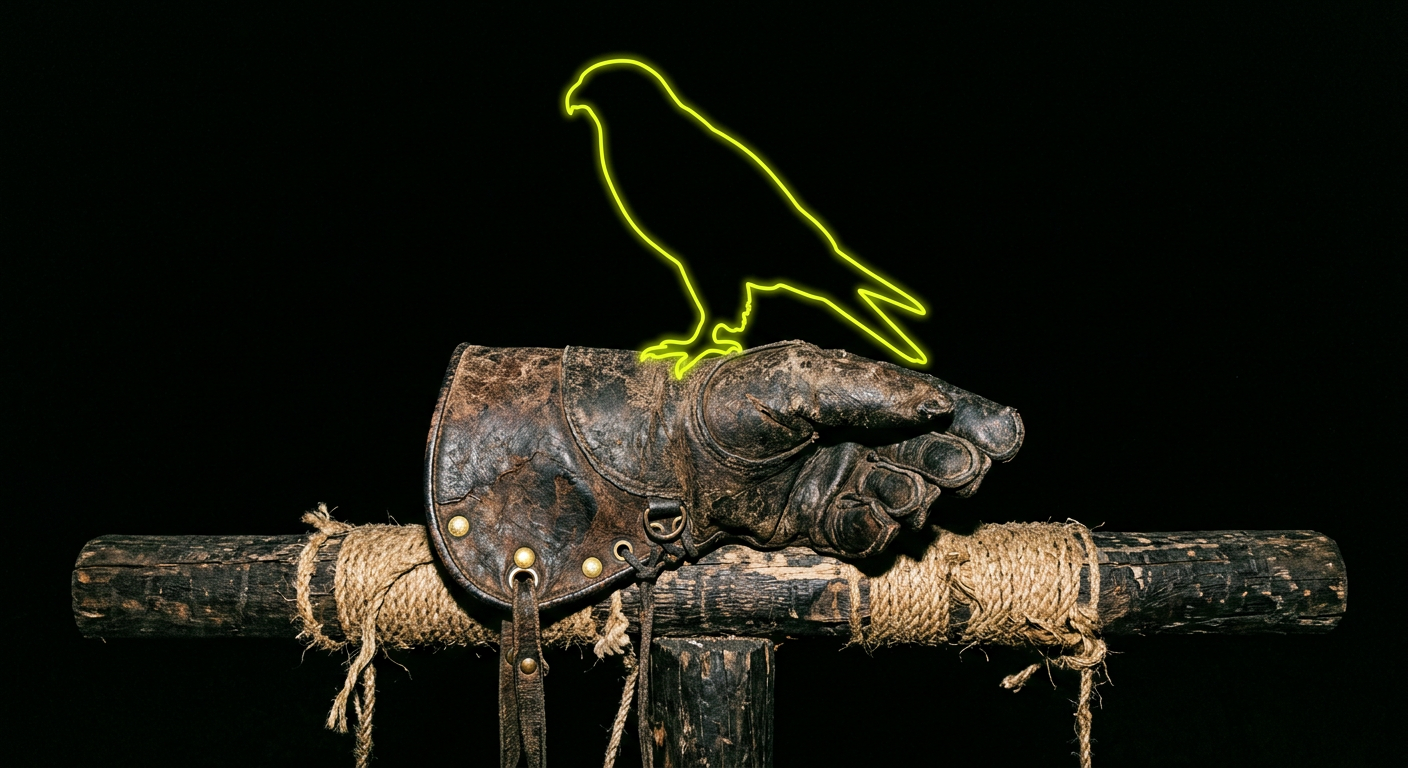
Before you give anyone a percentage of you, inventory what they'd keep if you left.
The pitch always sounds like infrastructure. Join the structure, share the resources, give up a slice (twenty percent is the number that keeps showing up), and everybody grows together. Some version of it lands in every successful creator's inbox eventually, so the skill you need isn't avoiding the pitch. The skill is pricing it.
Equity is payment for durable value. The test of durability is simple: if you walked out tomorrow, what would the structure still hold? Real infrastructure survives your exit. Proprietary tech, owned distribution, a sales operation with its own gravity, IP that isn't your face. A structure like that can justify a real percentage, because it brought assets to the table that exist without you.
But when the roster is the product, the math inverts. If the entity's value is mostly the talent on its slides, then the talent holds the power, and history keeps proving it: rosters walk, reform under a new name, and keep everything, while the structure keeps the logo and dies. Twenty percent of forever is an enormous price for services you could rent for fees.
1. Run the walk-away inventory - List what they keep if you leave. If the honest answer is a deck and a group chat, the equity ask is unpriced
2. Price the alternative - Cost out buying their services at market rates (management, sales, production). Equity should beat that math decisively, forever
3. Counter with vesting - If they believe their own pitch, they'll take equity that vests against delivered results. Watch how fast the conversation changes
Some structures genuinely earn their percentage, and being inside one is a different business than being alone. The point is that you're the scarce asset in this negotiation, which means you get to act like it, calmly, with an inventory in hand.